Pool equipment and technology
The equipment keeps the water clean and decides how easy and how energy-efficient your pool will be.
The pump and the filter are the minimum. Depending on how you use the pool, heating, lighting, a cover and automation are added on top. The articles explain what each piece of equipment does and how to choose it for your own pool.


Articles


Pool equipment
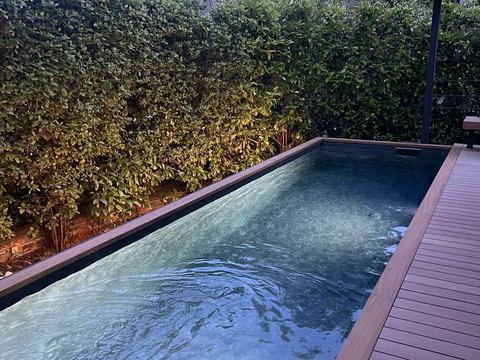
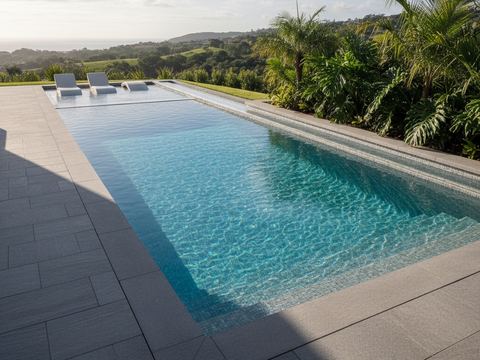
Basic pool equipment: a 3 × 2 × 2 m or compact plant room, pumps, filters. How to choose the right pump for…


Skimmer pool
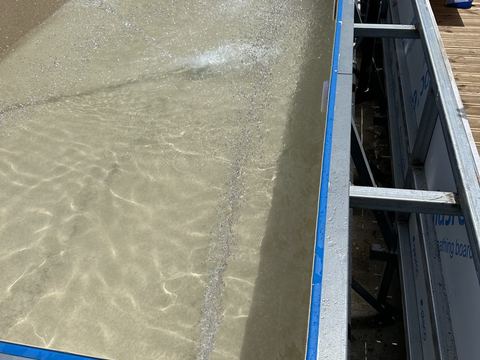
A prefab skimmer pool needs no overflow channel or balance tank, which makes it the simplest solution to build.…



Overflow pool
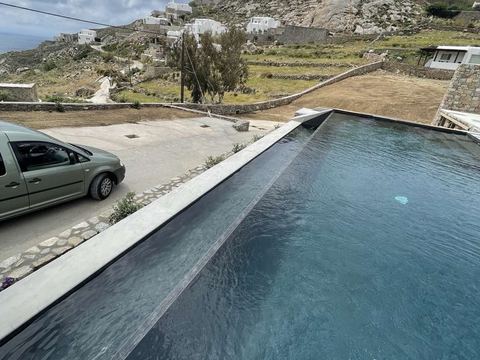
A prefab overflow pool with a perimeter channel and a 25 cm overflow grating in plastic or marble. The water comes right up to the edge…

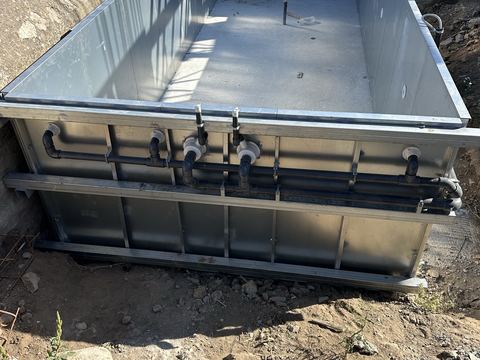
Pool filter
Sand, glass media or cartridge pool filters: how each one works, how to choose the size and what the…
Pool pump
Pool pumps: flow rate and head, pre-filter, single-phase or three-phase, self-priming and noise. What to check…

Variable-speed pump
A variable-speed pool pump: why lower speeds for longer hours mean lower consumption and…
Water circulation
Pool water circulation: the turnover cycle, the route from the skimmer to the pump, the filter and the return inlets,…
Pool heating
Heating a prefab pool: solar cover, solar collectors, heat pump, heat exchanger. What suits the volume, the area…
Heat pump
Pool heat pumps: how they take heat from the air, what COP means, how to choose the size, where…
Solar heating
Solar pool heating: collectors, a solar cover and the gains from the position, wind protection and the colour…
Pool lighting
LED pool lighting: white or coloured light, how many lights and where, safety extra-low voltage and how the pool light ties in…
Pool cover
Summer solar, winter, roller or safety pool covers: what each one does for temperature, evaporation, cleanliness…
Pool cleaning robot
A pool cleaning robot or a suction cleaner: what each one cleans, walls and waterline, brushes suitable…
Salt electrolysis
Salt electrolysis in the pool: how chlorine is produced from salt, how salty the water is, why the pH rises and what…
Pool ionization
Copper and silver pool ionization: what it does, why it does not replace chlorine and how to avoid stains on…
UV disinfection
UV pool disinfection with a UV-C lamp in the circuit: what it does to germs and chloramines, how it is maintained and why…
Automatic pH and chlorine
Automatic pH and chlorine control in the pool: dosing pumps, sensors, calibration and who it is worth it for, from…
Pool plant room
The pool plant room: where to put it, how it is ventilated and drained, noise, access, underground or above ground…
Balance tank
The balance tank in an overflow pool: what it does, how its volume is worked out, how the water level is controlled and where…
Overflow grating
Plastic or marble pool overflow grating, about 25 cm wide: the differences, solutions at the corners, choosing…
Pool fittings
Pool fittings: what the skimmer, the return inlets, the main drain and the vacuum point do, where they go and what…
Counter-current swimming
Counter-current swim systems: how you swim on the spot in a small pool, built-in or hang-on, massage, and what…
Power consumption
Pool power consumption: how much the pump, the heating and the other equipment weigh, and how to reduce it without…
Pump running hours
How many hours a day the pool pump needs to run: the turnover cycle, setting the timer for each season, which hours of the…
See also

Design & construction
Everything you need to decide before building a prefab pool: position, depth, shape, excavation, timing and…


Water & chemicals
A practical guide to pool water: pH, chlorine, alkalinity, hardness, shock chlorination, algae, cloudy or…


Liners & lining
All about pool liners: colours and how they change the water, reinforced membranes, non-slip surfaces,…